English
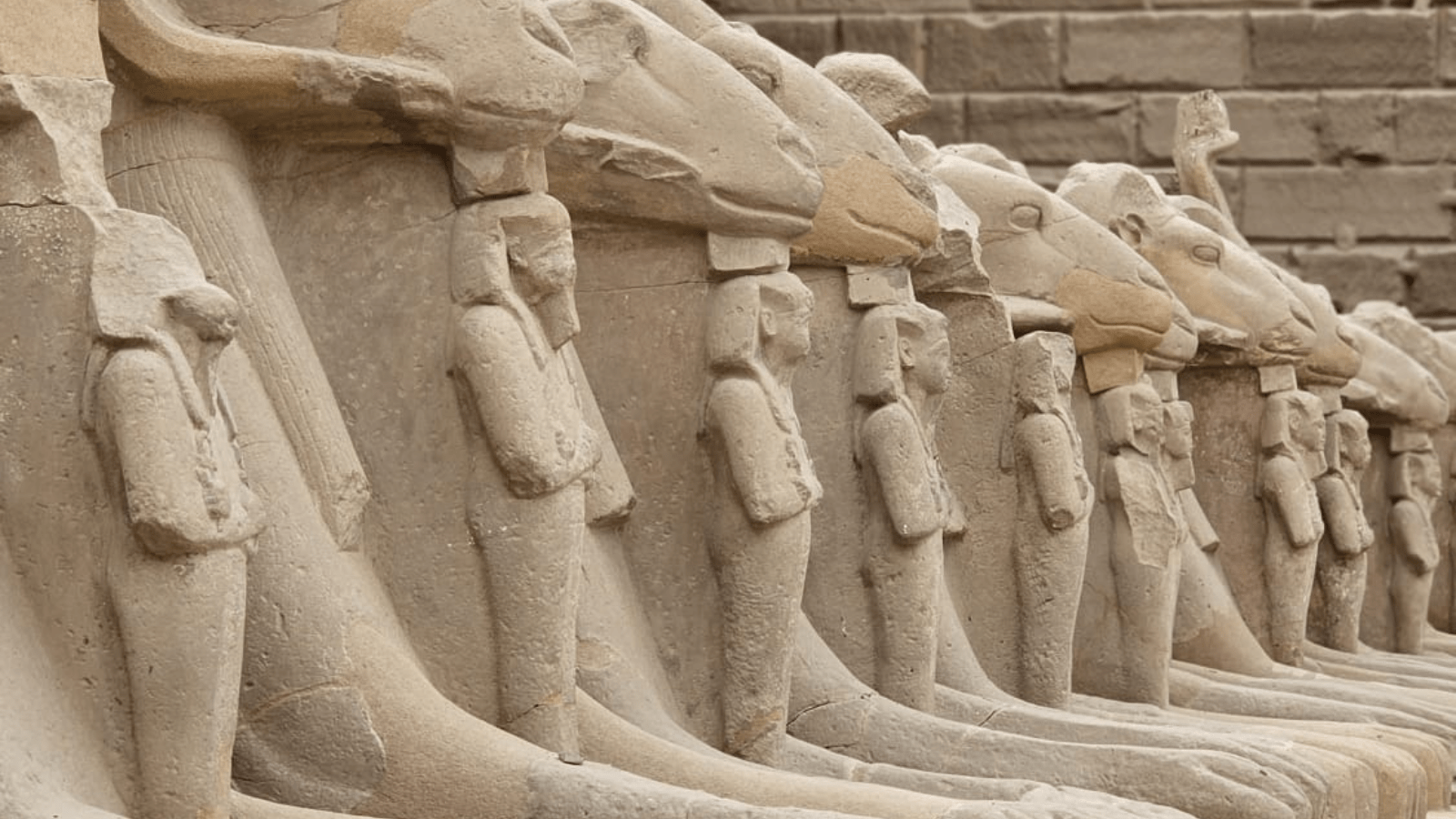
Planning your first trip to Egypt and wondering how much you can see in just one week?
Seven days may sound short for a country with thousands of years of history, but with the right itinerary, you can experience many of Egypt’s most famous ancient sites, from the Pyramids of Giza and the Sphinx to the temples of Luxor, the Nile landscapes of Aswan, and the magnificent monuments of Abu Simbel.
This 7-day Egypt itinerary is designed for travelers who want to combine ancient history, culture, and iconic landmarks while making the most of limited vacation time. The route focuses on Cairo, Aswan, and Luxor, with optional experiences that can make your trip even more memorable.
Is 7 Days Enough to Visit Egypt?
Yes — seven days can be enough for a first visit if your main goal is to experience Egypt’s most important historical attractions.
A well-organized one-week itinerary allows you to combine Cairo’s pyramids and museums with the ancient temples and tombs of Upper Egypt. You can also add optional excursions such as Saqqara, the Nubian Village, or Abu Simbel.
The key is to minimize unnecessary travel time by using domestic flights and private transportation.
For travelers who want a slower pace, more beach time, or destinations such as Sharm El Sheikh or Hurghada, a longer trip of 9–12 days would be more comfortable.
7-Day Egypt Itinerary at a Glance
Day 1: Arrive in Cairo
Day 2: Giza Pyramids, Sphinx, optional Saqqara, and Egyptian Museum
Day 3: Fly to Aswan and visit Philae Temple
Day 4: Optional Abu Simbel and Kom Ombo Temple
Day 5: Edfu Temple and Luxor’s West Bank
Day 6: Karnak Temple and Luxor Temple
Day 7: Departure from Egypt
This route is similar to the type of one-week Cairo–Luxor–Aswan programs offered by major travel platforms, which commonly combine Cairo sightseeing with Upper Egypt and domestic flights. V Viator+1
Day 1: Arrive in Cairo
Your Egyptian adventure begins in Cairo, the country’s bustling capital.
After arriving at Cairo International Airport, your tour representative can meet you and assist with airport procedures before transferring you to your hotel.
Depending on your arrival time, the first evening can be kept relaxed. If you still have energy after your flight, an optional dinner cruise on the Nile is a popular way to experience Cairo at night, with dinner, traditional entertainment, and views of the city.
For most travelers, however, getting a good night’s sleep is the best choice because the following day is packed with some of Egypt’s most famous sights.
Day 2: Giza Pyramids, Sphinx, Saqqara and the Egyptian Museum
Day two is dedicated to some of the highlights that make Egypt one of the world's most fascinating destinations.
The Pyramids of Giza
Start your morning at the Giza Plateau, home to the Great Pyramid of Khufu, the Pyramid of Khafre, the Pyramid of Menkaure, and the Great Sphinx.
The Great Pyramid is the only surviving member of the Seven Wonders of the Ancient World and remains one of the most recognizable monuments on the planet.
Take time to explore the plateau, admire the scale of the pyramids, and learn about the engineering and religious beliefs behind their construction.
Optional Saqqara Visit
If you want to go deeper into ancient Egyptian history, add a visit to Saqqara.
The archaeological site is home to the Step Pyramid of Djoser, generally regarded as one of the earliest monumental stone structures in ancient Egypt.
Saqqara is particularly worthwhile for travelers interested in how Egyptian pyramid architecture developed before the great pyramids of Giza.
The Egyptian Museum
Continue your day with a visit to the Egyptian Museum, where you can explore an extensive collection of ancient Egyptian artifacts.
A knowledgeable Egyptologist can help put the exhibits into context, explaining the history behind statues, jewelry, funerary objects, and royal treasures.
Travel Tip
Day two can be long, especially if you include Saqqara. Start early, wear comfortable shoes, carry water, and allow enough time between archaeological sites.
Day 3: Discover Aswan and Philae Temple
On day three, travel south to Aswan.
Aswan has a very different atmosphere from Cairo. The city is quieter, the Nile is especially scenic, and the surrounding landscape provides a beautiful introduction to southern Egypt.
Philae Temple
One of Aswan’s essential attractions is Philae Temple.
Dedicated primarily to the goddess Isis, the temple complex was originally located on Philae Island. Because of the construction of the Aswan High Dam, the monuments were carefully relocated to nearby Agilkia Island.
A boat ride across the Nile adds to the experience and provides beautiful views of the surrounding islands and river.
Optional Nubian Village
Travelers looking for a more cultural experience can add a visit to a Nubian Village.
The colorful houses, local traditions, handicrafts, food, and welcoming atmosphere offer a different perspective on Egyptian culture beyond the ancient monuments.
Day 4: Abu Simbel and Kom Ombo
Day four can be one of the most memorable parts of your trip.
Optional Abu Simbel
The temples of Abu Simbel are among Egypt’s most spectacular monuments.
Built during the reign of Ramses II, the complex consists of two monumental rock-cut temples dedicated to Ramses II and Queen Nefertari.
The enormous statues carved into the rock face make Abu Simbel particularly impressive, while the history of the temples’ relocation during the construction of the Aswan High Dam adds another fascinating chapter to the site.
Because Abu Simbel is an optional excursion in this itinerary, travelers should confirm the additional cost and transportation arrangements before booking.
Kom Ombo Temple
Continue toward Kom Ombo, a unique temple complex overlooking the Nile.
Unlike many Egyptian temples dedicated primarily to one major deity, Kom Ombo is divided between two cults: Sobek, the crocodile god, and Horus, the falcon-headed god.
The temple’s symmetrical design and detailed reliefs make it one of the most interesting stops between Aswan and Luxor.
Day 5: Edfu and the West Bank of Luxor
As you continue toward Luxor, you enter one of the richest archaeological regions in the world.
Edfu Temple
Edfu Temple is dedicated to Horus and is considered one of the best-preserved ancient Egyptian temples.
Its massive entrance, columns, courtyards, and detailed hieroglyphic reliefs give visitors an excellent idea of what a major temple complex looked like in ancient Egypt.
Valley of the Kings
Later, explore the West Bank of Luxor and visit the Valley of the Kings.
This desert valley served as a burial ground for many rulers of Egypt’s New Kingdom.
The tombs are famous for their colorful wall paintings and hieroglyphic scenes depicting ancient Egyptian beliefs about death and the afterlife.
Depending on the ticket and current regulations, specific tombs may require additional admission.
Colossi of Memnon
Stop at the Colossi of Memnon, two enormous statues representing Pharaoh Amenhotep III.
The statues once stood in front of a much larger mortuary temple and remain among Luxor’s most recognizable monuments.
Temple of Hatshepsut
Continue to the impressive mortuary temple of Hatshepsut.
Built against the cliffs of Deir el-Bahari, the temple is famous for its distinctive terraces and its connection to one of ancient Egypt’s most powerful female rulers.
Day 6: Karnak and Luxor Temples
Your final full sightseeing day focuses on Luxor’s East Bank.
Karnak Temple
Begin with Karnak Temple, one of the largest religious complexes ever built.
The site developed over many centuries and contains monumental gateways, courtyards, obelisks, sanctuaries, and the famous Great Hypostyle Hall.
Walking among the enormous columns gives you a sense of the scale and ambition of ancient Egyptian architecture.
Luxor Temple
Later, visit Luxor Temple in the heart of modern Luxor.
Unlike Karnak, which functioned as a vast religious complex, Luxor Temple was closely associated with royal rituals and the rejuvenation of kingship.
The temple becomes particularly atmospheric later in the day when the monuments are illuminated.
Day 7: Departure
After breakfast, it is time to leave Egypt.
Depending on your flight schedule, your tour operator can arrange transportation to the airport for your departure.
If your international flight is later in the day, you may have some free time depending on the logistics of your program.
What Is Included in This 7-Day Egypt Tour?
The current package information lists several services as included:
Six nights of accommodation in 4-star hotels.
Domestic flight from Cairo to Luxor.
Domestic flight from Aswan to Cairo.
Private transportation.
A personal Egyptologist tour guide.
Entrance tickets for the attractions listed as included in the itinerary.
Airport and station assistance.
Lunch on four days.
International flights, entry visa, drinks, tipping, personal expenses, optional tours, and services not specifically mentioned are excluded. E EgyptToursGate
Which Experiences Are Optional?
Some experiences on the itinerary are listed as optional rather than included in the base package.
These include:
Saqqara.
Nubian Village.
Abu Simbel.
Cairo dinner cruise.
If Abu Simbel is high on your Egypt bucket list, it is worth asking about the additional cost before confirming your trip.
How Much Does a 7-Day Egypt Tour Cost?
The listed starting price for the current season is $1,620 per person for a triple room.
The page currently lists:
Triple room: $1,620 per adult
Double room: $1,800 per adult
Single room: $2,700 per adult
The tour operator notes that prices can vary according to the travel season and are confirmed based on the selected dates. E EgyptToursGate
Because optional excursions and some personal expenses are not included, travelers should compare the total trip cost rather than looking only at the starting price.
Best Time to Visit Egypt for a 7-Day Trip
For most sightseeing-focused travelers, the cooler months from October through April are particularly comfortable for exploring archaeological sites.
December through February generally offers pleasant sightseeing temperatures, although these are also among the busier travel months.
Spring and autumn can offer a good balance between weather and visitor numbers.
Summer is much hotter, especially in Luxor and Aswan. If you travel during the hottest months, plan outdoor sightseeing for the cooler parts of the day and stay well hydrated.
What Should You Pack for One Week in Egypt?
For a seven-day sightseeing itinerary, pack light but prepare for different conditions.
Useful items include:
Comfortable walking shoes.
Lightweight, breathable clothing.
A hat and sunglasses.
Sunscreen.
A reusable water bottle.
A light jacket for cooler evenings.
Modest clothing for religious and cultural sites.
Portable phone charger.
Copies of important travel documents.
A small day bag is especially useful for long sightseeing days.
Is This 7-Day Egypt Itinerary Right for You?
This itinerary is a strong choice if you are visiting Egypt for the first time and want to prioritize ancient history.
It works particularly well for travelers who want to see:
The Pyramids of Giza.
The Sphinx.
Ancient Egyptian museums and archaeological collections.
Philae Temple.
Abu Simbel.
Kom Ombo and Edfu.
The Valley of the Kings.
Hatshepsut Temple.
Karnak Temple.
Luxor Temple.
The main trade-off is pace. You will cover a lot of ground in seven days, so this is better suited to travelers who prefer an active sightseeing holiday rather than a slow vacation.
Similar seven-day Egypt experiences listed on major travel platforms also commonly combine Cairo with Luxor and Aswan, often using domestic flights to make the itinerary feasible within one week. V Viator+1
Frequently Asked Questions
Can I see Cairo, Luxor and Aswan in 7 days?
Yes. A carefully planned itinerary using domestic flights and organized transportation can cover the major highlights of all three destinations within one week.
Is 7 days enough for a first trip to Egypt?
Seven days is enough for a highlights-focused first visit. If you want to add the Red Sea, Alexandria, more leisure time, or additional archaeological sites, consider staying longer.
Is Abu Simbel included in the tour?
Abu Simbel is listed as an optional excursion in this particular package, so it is not included in the base price. E EgyptToursGate
Is Saqqara included?
Saqqara is also listed as an optional tour, so travelers should confirm the additional cost before adding it to their itinerary. E EgyptToursGate
Does the package include domestic flights?
Yes. The package information lists flights from Cairo to Luxor and from Aswan to Cairo among the included services. E EgyptToursGate
Are international flights included?
No. International airfare is excluded from the package price. E EgyptToursGate
What is the best way to travel between Cairo, Luxor and Aswan?
For a seven-day itinerary, domestic flights are useful for connecting Cairo with Upper Egypt, while private road transfers can be used for sightseeing between destinations along the Nile corridor.
Final Thoughts
A week in Egypt can be surprisingly comprehensive when the itinerary is carefully planned.
From standing beneath the Great Pyramid in Giza to cruising along the Nile near Aswan and walking through the ancient temples of Luxor, this seven-day route combines many of the experiences travelers come to Egypt to see.
If ancient history is your priority and you want to experience Cairo, Aswan, and Luxor without spending two weeks on the road, a well-organized 7-day Egypt tour can be an excellent introduction to the country.
For a more relaxed experience, however, consider extending your stay and adding extra time in Cairo, a Nile cruise, or a few days on the Red Sea coast.