English
Khufu (Cheops): The Pharaoh Behind the Great Pyramid
King Khufu, known to the ancient Greeks as Cheops, is one of the most famous pharaohs in ancient Egyptian history. He ruled during Egypt's Fourth Dynasty, around 2589–2566 BC, during the prosperous period known as the Old Kingdom.
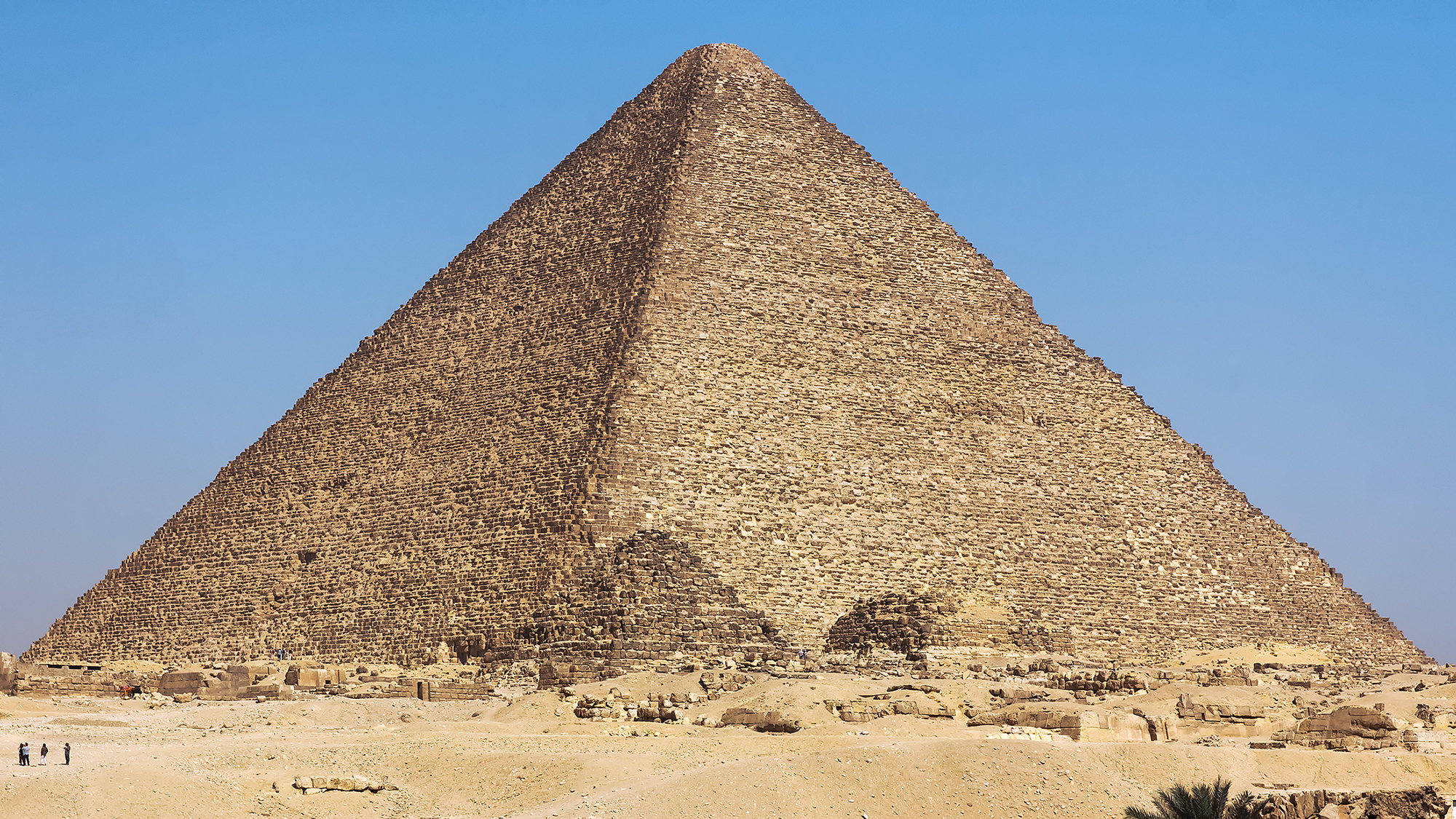
Khufu is best remembered as the king who commissioned the Great Pyramid of Giza, the largest pyramid on the Giza Plateau and one of the most remarkable monuments ever constructed.
Who Was King Khufu?
Khufu was the second king of Egypt's Fourth Dynasty and succeeded his father, King Sneferu, whose reign was marked by major developments in pyramid construction.
Under Khufu, these architectural developments reached an extraordinary level. His pyramid became the largest and most ambitious pyramid complex of the Old Kingdom and remained the tallest human-made structure in the world for approximately 3,800 years.
The Great Pyramid of Giza
Khufu's greatest legacy is the Great Pyramid on the Giza Plateau.
The pyramid originally stood approximately 146.5 meters high and was built primarily from local limestone. Its exterior was originally covered with high-quality limestone casing stones, giving the monument a smooth and brilliant appearance.
Today, the Great Pyramid remains the only surviving monument of the Seven Wonders of the Ancient World.
How Was the Great Pyramid Built?
The construction of Khufu's pyramid remains one of the great subjects of archaeological and historical discussion.
Ancient Egyptian builders demonstrated extraordinary knowledge of stoneworking, architecture, engineering and organization. The Ministry of Tourism and Antiquities estimates that construction may have taken around 10 to 20 years, although the exact methods used to construct the monument are still not completely understood.
The mystery surrounding its construction is one of the reasons the Great Pyramid continues to fascinate visitors from around the world.
Inside the Great Pyramid
The Great Pyramid contains several remarkable internal spaces.
Three major chambers are associated with the monument: one cut into the bedrock beneath the pyramid and two located within the masonry. The upper chamber is known as the King's Chamber, where the granite sarcophagus associated with Khufu can still be seen.
Visitors also encounter the Grand Gallery, an impressive ascending passage that demonstrates the sophisticated architectural techniques used by the pyramid's builders.
Khufu and Ancient Egyptian Engineering
The Great Pyramid was not simply a giant tomb. It formed the central monument of a much larger funerary complex.
The complex included temples, subsidiary pyramids, cemeteries and other structures connected with the king's burial and the religious traditions surrounding his afterlife. The Eastern and Western Cemeteries around the pyramid contain numerous tombs belonging to members of the royal family and important officials.
The Khufu Statue
Interestingly, despite the enormous scale of Khufu's pyramid, very few confirmed contemporary images of the king survive.
One of the most important is a tiny ivory statuette of Khufu, only about 7.5 centimeters tall. It is currently associated with the Egyptian Museum collection and is described by Egypt's Ministry of Tourism and Antiquities as the only confirmed contemporary three-dimensional representation of the king.
The contrast is remarkable: one of the most powerful rulers of the ancient world is represented by an extremely small surviving statue, while his enormous pyramid dominates the Giza landscape.
Khufu's Legacy at Giza
Khufu's reign established the foundation for one of the world's most famous archaeological landscapes.
His son Khafre later built the second great pyramid at Giza, while his grandson Menkaure constructed the third. Together, these monuments created the iconic Giza pyramid landscape recognized around the world today.
It is important to distinguish the monuments, however. The Great Pyramid belongs to Khufu, while the Great Sphinx is generally associated with the reign of his son Khafre.
Why Is Khufu Important Today?
More than 4,500 years after his reign, Khufu remains one of the most recognizable names in ancient Egyptian history.
His importance comes not only from being a pharaoh, but from the extraordinary monument associated with his reign. The Great Pyramid represents the height of Old Kingdom pyramid construction and remains a symbol of ancient Egypt's architectural and organizational achievements.
Visiting the Great Pyramid of Khufu
For travelers visiting Egypt, seeing the Great Pyramid is an opportunity to stand before one of humanity's most extraordinary surviving monuments.
The Giza Plateau includes the pyramids of Khufu, Khafre and Menkaure, together with numerous tombs and other archaeological remains. Exploring the area provides a broader understanding of how the pyramids functioned as part of royal funerary complexes rather than as isolated structures.
Final Thoughts
Khufu, or Cheops, remains forever connected with the Great Pyramid of Giza, one of the greatest architectural achievements of the ancient world.
His reign represents a remarkable period in Egyptian history when royal power, engineering knowledge and religious traditions came together to create a monument that has survived for thousands of years.
Today, visitors can still stand before the Great Pyramid and experience the scale of Khufu's legacy—a monument that continues to inspire questions, research and fascination more than four millennia after it was built.